It is one of the first decisions you will make after settling on a design: do you go black and grey, or do you go full color? Both approaches produce stunning results, but they behave differently on skin, age differently over time, and suit different styles and personalities. Here is everything you need to know to make the right call before you sit down in the chair.
What Is Black and Grey Tattooing?
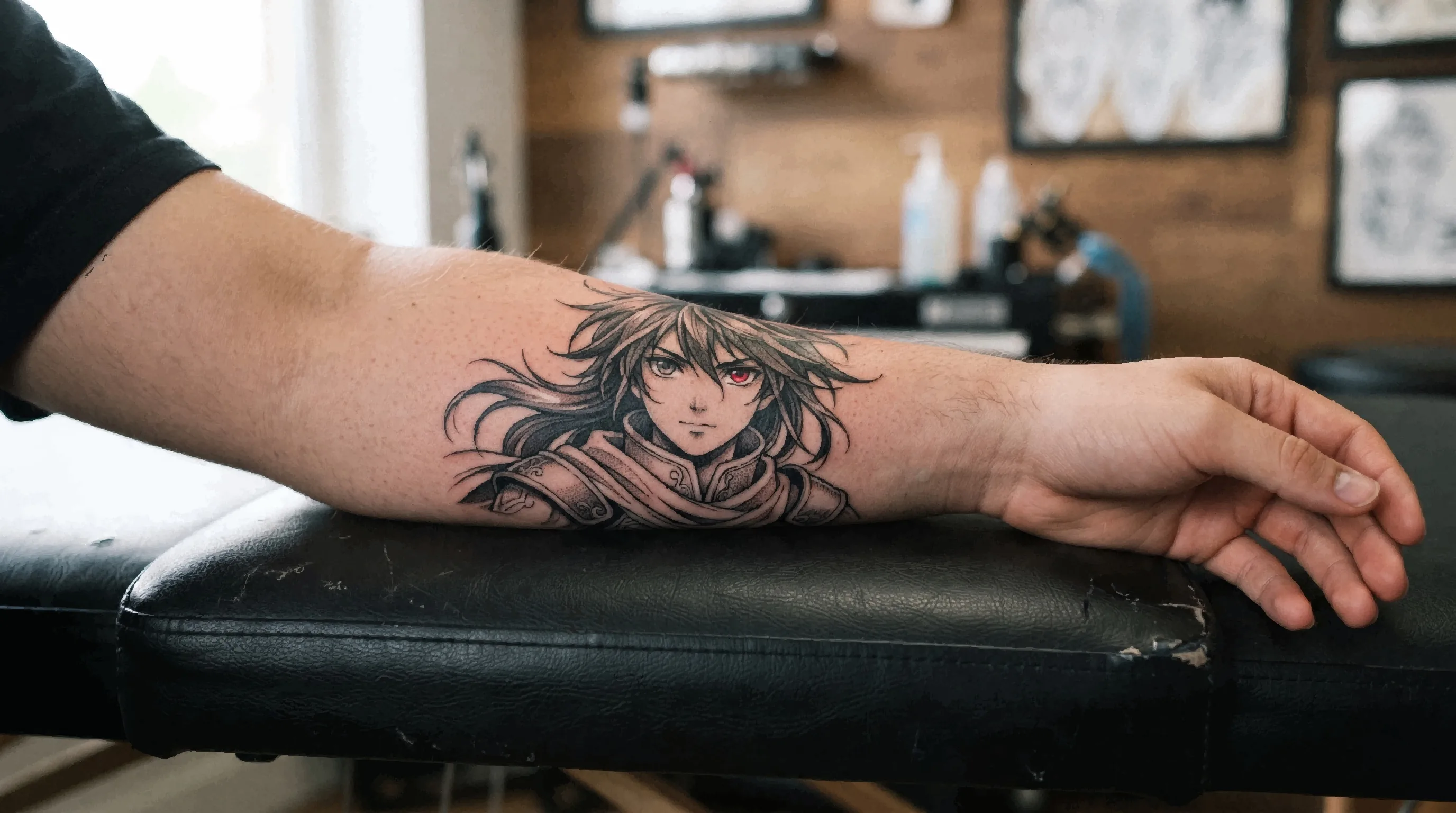
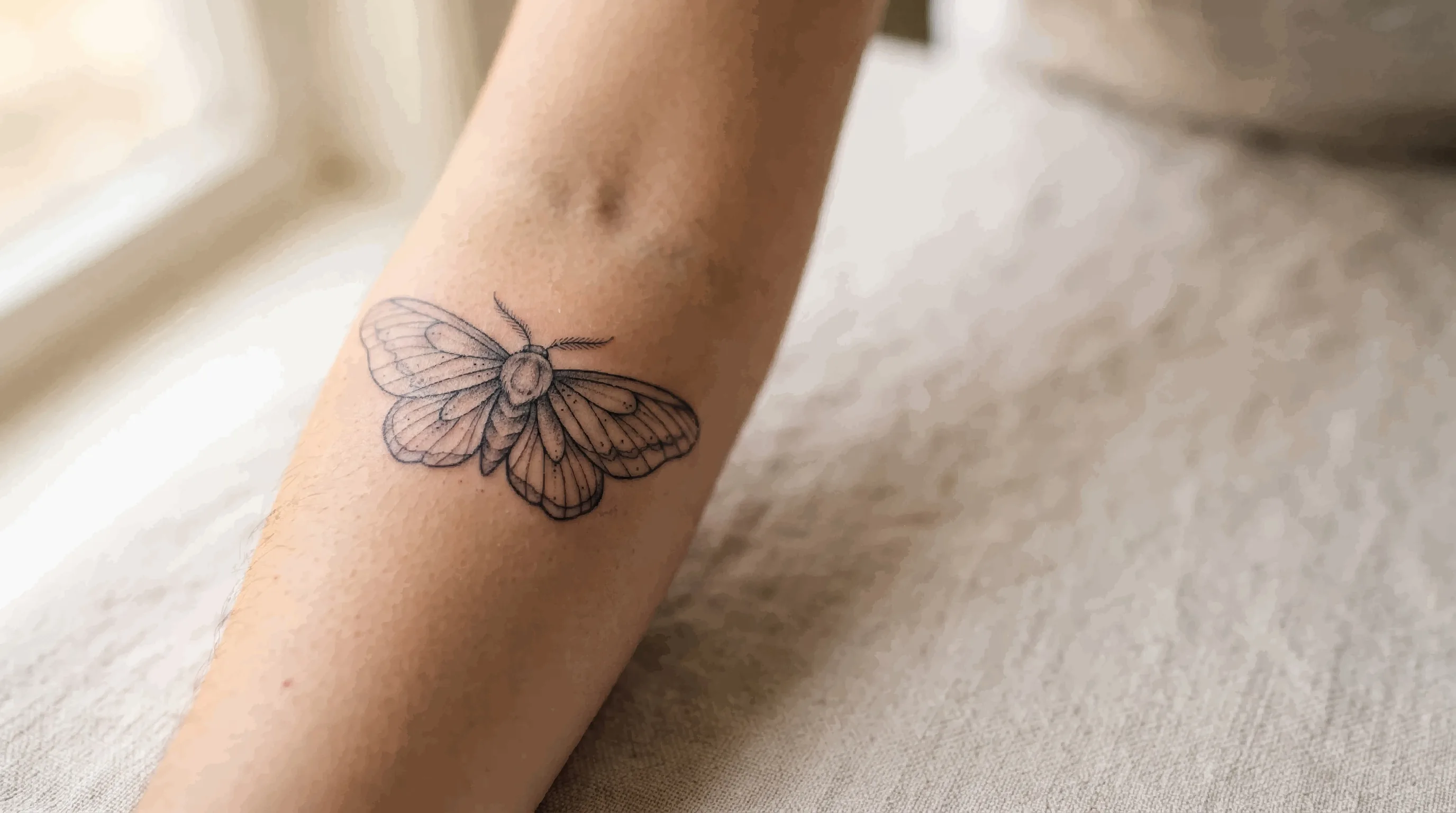
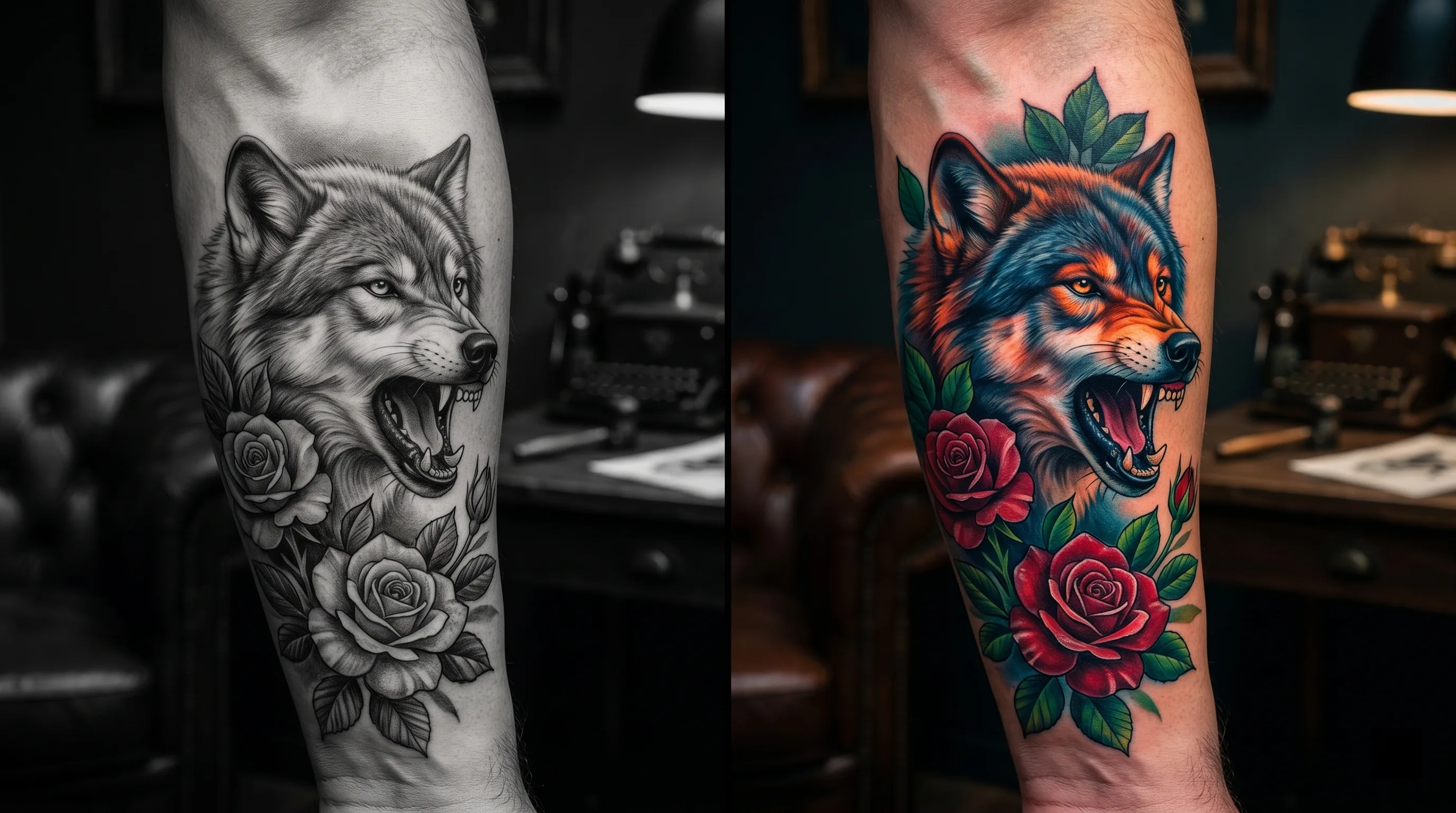
Black and grey tattooing uses only black ink — diluted with water or a grey wash solution to create a full range of tones from near-white to deep black. The result is a monochromatic piece that relies entirely on shading, contrast, and negative space to create dimension and depth.
The style originated in prisons in the 1970s, where artists improvised with whatever materials they could get. It has since evolved into one of the most technically demanding and widely respected tattooing disciplines. Realism portraits, fine line work, illustrative pieces, and Chicano-style tattooing all commonly use black and grey as their foundation.
What Is Color Tattooing?
Color tattooing introduces pigments beyond black — from muted earth tones to vivid saturated hues. It requires a completely different set of technical skills because the artist must understand how colors interact with each other and with the natural undertones of the client's skin. A color that looks bold in the ink cap can heal to something entirely different depending on skin depth and tone.
Color is at home in Traditional, Neo-Traditional, Japanese, New School, Watercolor, and many illustrative styles. Done well, a color tattoo is immediately eye-catching in a way that monochrome work simply cannot replicate.
How They Age Differently
Longevity is where the two approaches diverge most significantly, and it is the factor people most often underestimate when choosing.
Black and Grey Ages Predictably
Black ink is carbon-based and extremely stable in the skin. Over the years, a black and grey tattoo will soften and the contrast between tones will reduce — but it will retain its readability for decades if placed and executed well. The structure of the design generally remains clear. Touch-ups, when needed, are straightforward because you are working with a single ink family.
Color Ages More Variably
Color inks contain organic and metallic pigments that break down at different rates. Yellows and light pinks are the fastest to fade, often losing vibrancy within five to ten years. Reds and oranges hold moderately well. Blues and greens tend to hold the longest of the non-black pigments, though they too will shift over time.
Uneven fading is the main challenge with color. A tattoo that once had vivid contrast between a deep green and a soft yellow may eventually look muddier as the two tones move toward each other. Sun exposure accelerates this significantly. Color tattoos require more consistent aftercare and periodic touch-ups to maintain their original impact.
Skin Tone Matters — A Lot
This is the variable that is most often glossed over in online guides, and it is one of the most important.
Black and Grey on All Skin Tones
Black and grey is highly versatile across skin tones. On lighter skin, the full tonal range from near-white highlights to deep black reads with maximum contrast. On medium and darker skin, the lighter grey tones will be less visible — but a skilled artist adjusts by leaning into stronger contrast and avoiding the very lightest washes where they would be lost against the skin. The result can still be extraordinary; it just requires an artist experienced in working across different skin tones.
Color on Lighter Skin Tones
Most color inks are formulated to show at their most vivid on pale to medium skin. The lighter the skin, the more the color pops against it. If you have fair skin and want saturated, vibrant color, the full spectrum is available to you.
Color on Darker Skin Tones
This is where you need to be the most selective — both in your color choices and in your choice of artist. Pastels, light yellows, and pale pinks will largely disappear into deeper skin tones. Jewel tones, deep reds, vibrant oranges, and colors with strong contrast to your skin work far better. Black outlines are essential to giving color tattoos structure on darker skin, since the color alone cannot carry the definition.
When booking, look specifically for an artist whose portfolio shows color work on skin tones similar to yours. A portfolio full of work only on pale skin is not evidence that an artist can deliver the same result on you.
Pain and Session Length
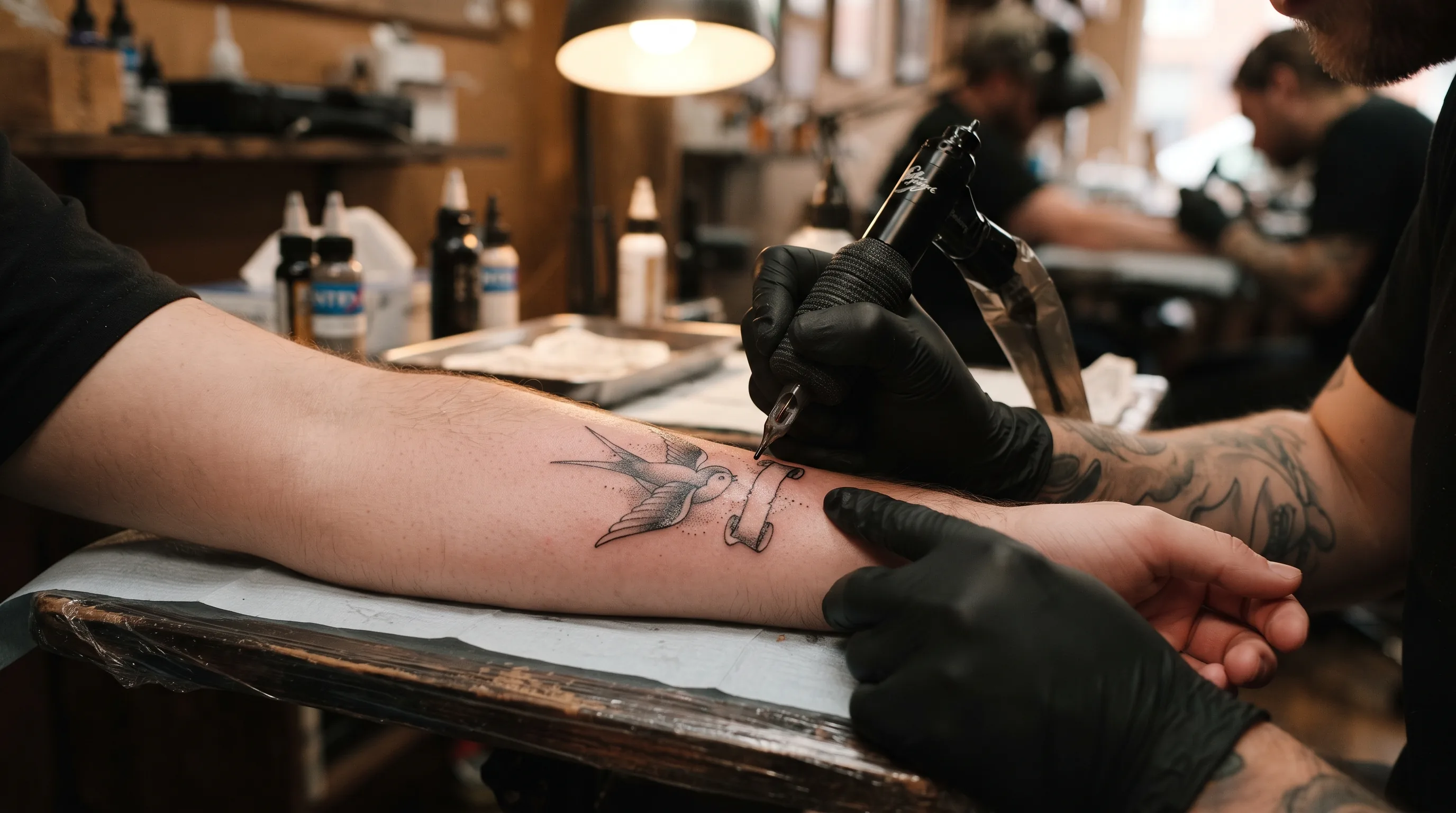
All tattooing hurts. That said, color tattooing typically involves longer sessions and more passes over the same area, which translates to more cumulative discomfort.
To pack color solidly — especially bright, opaque colors — the artist needs to make multiple passes with the needle over each section to build saturation. The skin gets more irritated the longer a session runs. Black and grey work, particularly fine line or portrait-style shading, can also be a long process, but the technique is generally gentler on the skin than heavy color packing.
This is not a reason to avoid color — it is just something to plan around. Break a large color piece into multiple sessions rather than trying to power through in one sitting.
Cost Differences
Color tattoos are often priced higher than comparable black and grey work, for a few reasons:
- More supplies: Color work consumes many more inks, and quality pigments are not cheap.
- More time: Building color saturation takes longer than laying down grey washes.
- Specialized skill: Not every artist who does excellent black and grey also does excellent color. Those who do tend to charge accordingly.
If budget is a genuine concern, black and grey gives you more tattoo per dollar — both in terms of session time and long-term value, since touch-ups are less frequent and less expensive.
Choosing by Style
Some tattoo styles are almost always done in one palette or the other. If you have fallen in love with a specific style, that may decide the question for you.
Styles That Are Almost Always Black and Grey
- Realism / Portrait: Photorealistic faces, animals, and textures are overwhelmingly done in black and grey. Color realism exists but is rarer and harder to execute convincingly.
- Fine Line / Single Needle: The precision and delicacy of fine line work relies on the subtlety of grey shading. Color is rarely used.
- Chicano: Rooted in black and grey as a defining aesthetic choice.
- Dotwork / Geometric: Usually monochromatic by nature.
Styles That Lean Heavily Into Color
- Traditional & Neo-Traditional: The bold outlines and flat, saturated color fills of traditional tattooing are part of what defines the style. Black and grey versions exist but feel muted compared to the classic look.
- Japanese (Irezumi): The dramatic contrast between red, orange, blue, and black is iconic. Color is central to the aesthetic.
- New School / Illustrative: These styles thrive on vivid, exaggerated color palettes.
- Watercolor: Color is the entire point.
Styles That Work Well in Either
- Blackwork: By definition monochrome, but some artists blend it with pops of color.
- Illustrative: Can go either way depending on the artist and concept.
- Floral: Beautiful in both — black and grey florals feel timeless; color florals feel vibrant and alive.
Questions to Ask Yourself Before Deciding
- Do I spend a lot of time in the sun? Color fades faster with UV exposure — black and grey holds longer.
- Am I willing to commit to touch-ups every few years? Color requires more ongoing maintenance.
- Does the style I want work in both palettes, or does it lean toward one?
- Have I seen this artist's color work on skin tones similar to mine?
- Is the mood I want timeless and graphic, or vivid and expressive?
The Honest Answer
Neither is objectively better. Black and grey is more forgiving, ages more predictably, and works across a wider range of skin tones with less risk. Color is bolder, more expressive, and essential for certain styles — but it demands more from both the artist and the client in terms of skill, maintenance, and initial investment.
The right choice is the one that fits your design, your skin, your lifestyle, and your tolerance for long-term upkeep. If you are genuinely torn, talk to your artist — a good one will tell you honestly which palette will serve your specific piece best.
Black and Grey vs. Color FAQ
Does black and grey or color tattoo age better?
Black and grey ages more predictably. Black ink is carbon-based and extremely stable — the tattoo softens over time but holds its readability for decades. Color inks break down at different rates, with yellows and light pinks fading the fastest. Uneven fading is the main long-term challenge with color work.
Can you mix black and grey with color in one tattoo?
Yes, and many artists do it deliberately. A common approach is a predominantly black and grey piece with selective color accents — red flowers, blue eyes, or a vivid background element. The key is making sure the artist has planned the color intentionally, not just added it as an afterthought, since the two palettes age differently.
Do color tattoos hurt more than black and grey?
Not necessarily more painful per needle pass, but color tattooing typically requires more passes over the same area to build saturation, which means longer sessions and more cumulative irritation to the skin. Pain is more about placement and session length than the type of ink being used.
Are color tattoos more expensive?
Usually, yes. Color tattoos consume more supplies, take longer to complete, and require a specialized skill set. Expect to pay more per hour or per piece for quality color work compared to comparable black and grey work from the same artist.
Do color tattoos work on dark skin?
Yes, but color selection matters significantly. Pastels and light hues will not show on deeper skin tones. Jewel tones, deep reds, vibrant oranges, and colors with strong contrast to your skin work much better. Strong black outlines are essential to give the color structure. Always look for an artist whose portfolio includes color work on skin tones similar to yours before booking.