You did everything right during aftercare, and your tattoo still came out of healing with a few faded patches or a line that lost some of its saturation. Or maybe your tattoo looked perfect for years and only recently started looking soft around the edges. Either way, your first thought is probably: is this normal, and do I need to pay to fix it? Here is how touch-ups actually work.
What a Touch-Up Actually Is
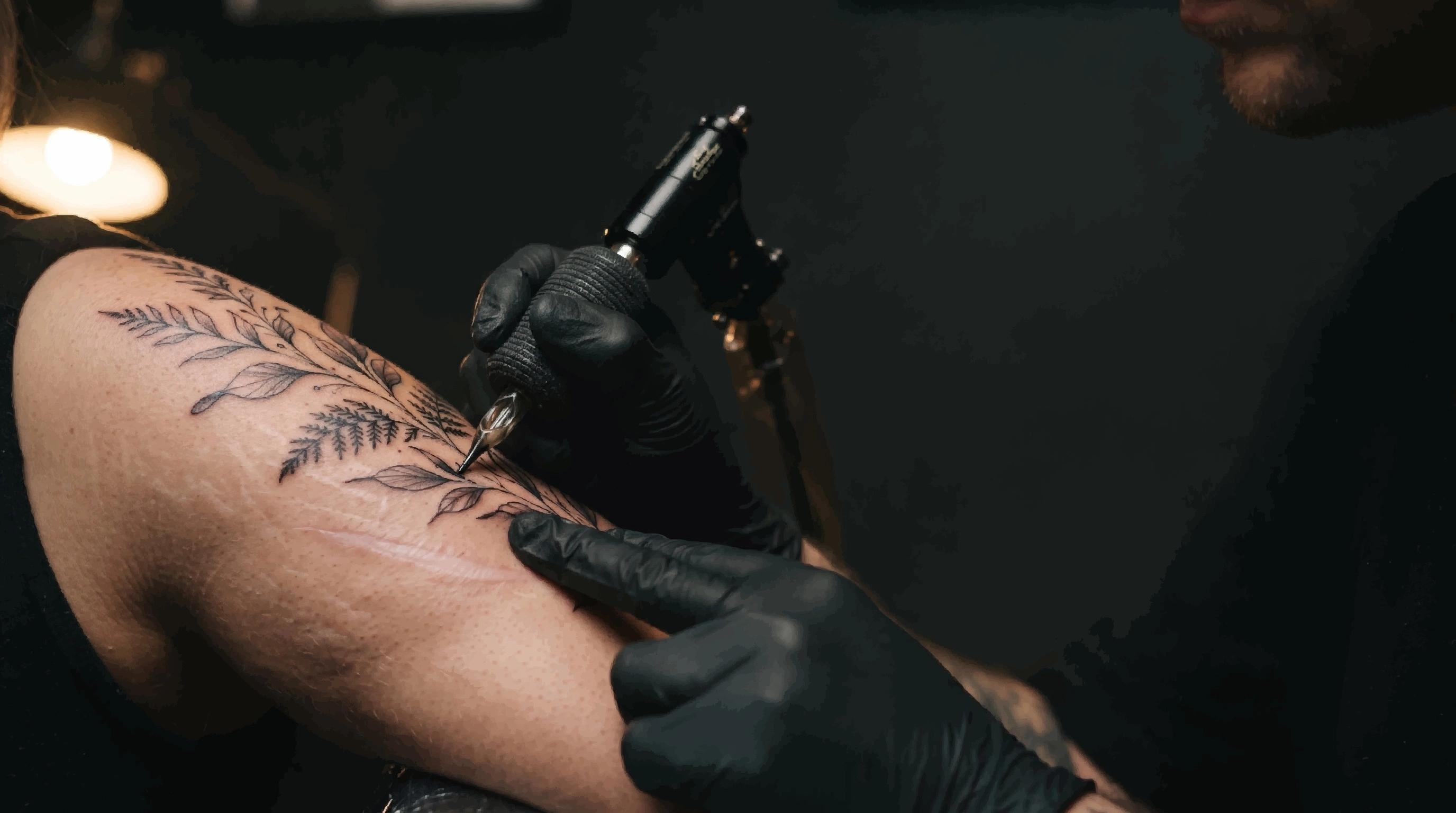
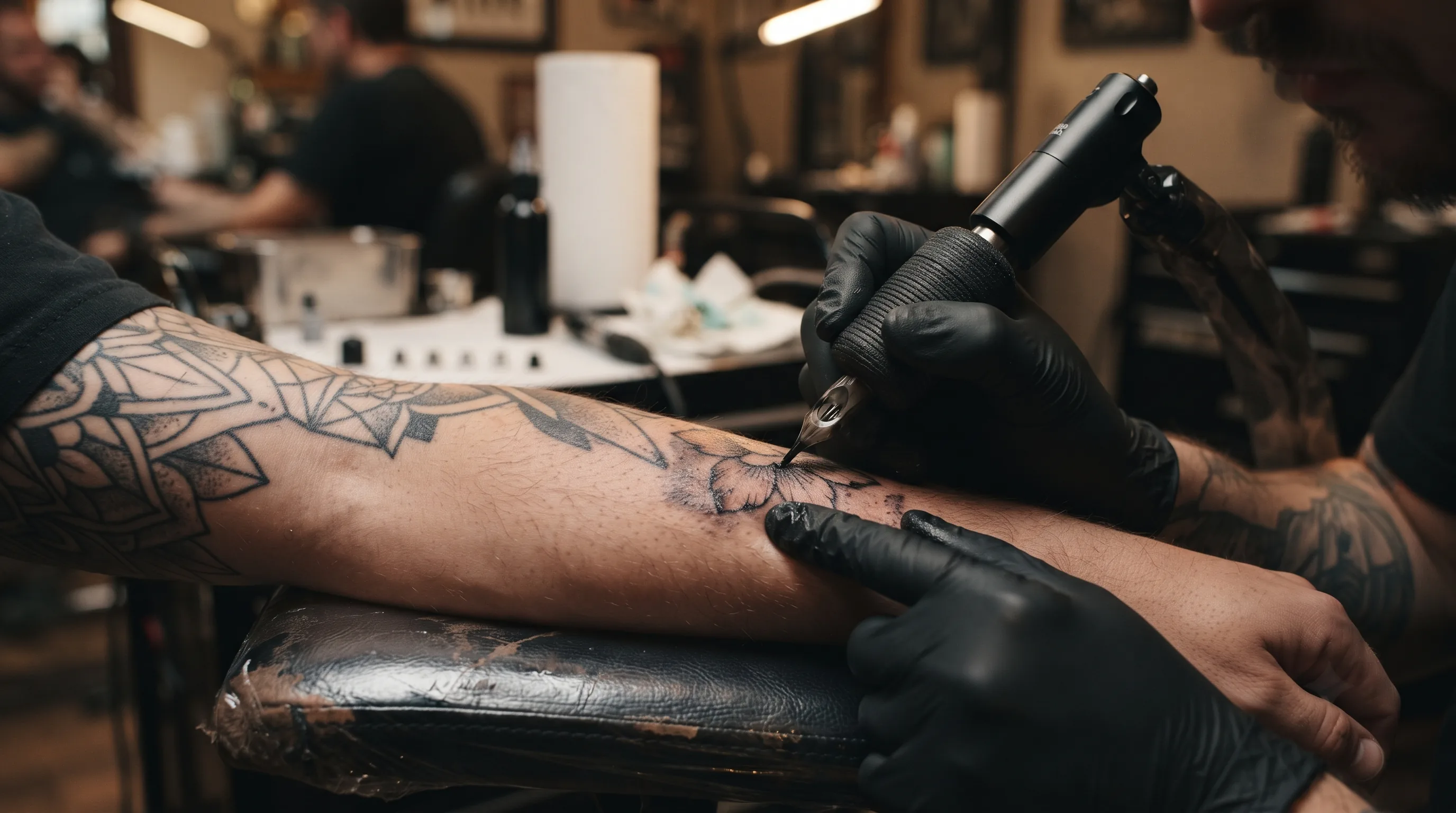
A touch-up is a short follow-up session where your artist goes back over specific areas of an existing tattoo to restore ink that has dropped out, sharpen soft lines, or refresh color that has faded. It is not a redesign, a resize, or a cover-up — it is a targeted repair to bring an existing piece back to how it looked (or was always meant to look) when it was finished.
Touch-ups fall into two very different situations: healing touch-ups, needed shortly after your original appointment because of how the skin took the ink, and maintenance touch-ups, needed years later because of fading, sun exposure, or friction. Shops usually treat these two situations differently, which is the part most people get confused about.
Why Tattoos Need Touch-Ups in the First Place
- Uneven ink uptake during healing. Skin does not absorb ink perfectly uniformly. Some areas scab more heavily and shed a little pigment with the scab, leaving faint patches once everything settles.
- Aftercare that didn't go perfectly. Picking at scabs, too much sun exposure early on, or a missed step in the healing process can pull out more ink than expected, even when the original work was excellent.
- High-friction placement. Hands, feet, fingers, and other areas that flex and rub constantly lose ink faster than most other placements, sometimes needing a refresh within a year or two.
- Long-term fading. Sun exposure, aging skin, and simple time soften even well-healed tattoos over years. Fine lines and light colors fade first.
- Skin type and individual healing. Some people's skin simply holds ink less evenly than others, independent of the artist's technique or your aftercare routine.
Is It Normal, or Did Something Go Wrong?
The most important thing is judging your tattoo only after it has fully healed — not while it is still scabbing, peeling, or settling. That process typically takes 4 to 6 weeks for smaller pieces and longer for larger ones. A tattoo that looks patchy at week two can look completely even by week six once the surface calms down.
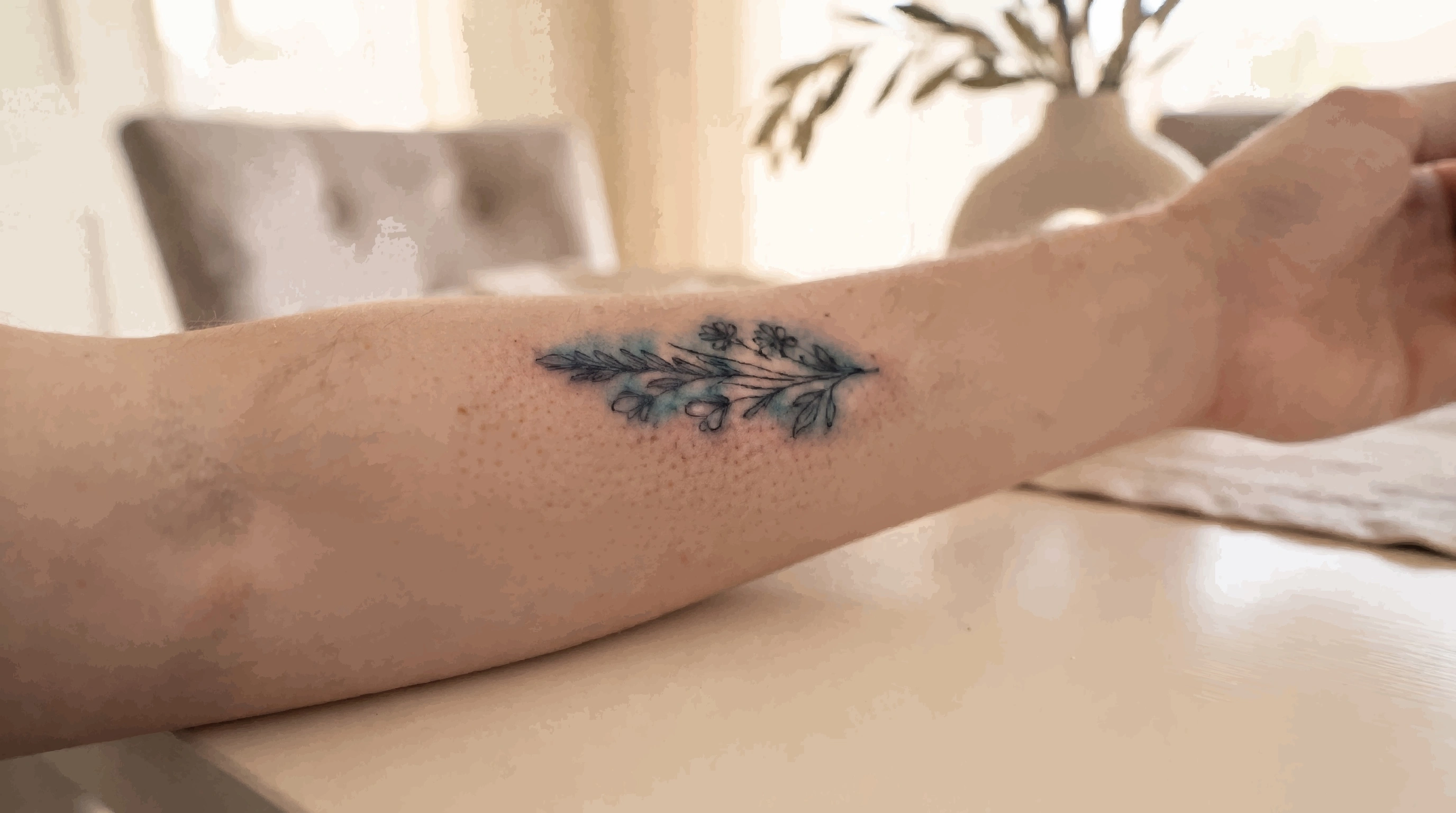
Once healing is genuinely finished, some minor unevenness — a slightly lighter patch, a line that lost a touch of saturation — is a normal outcome and not a reflection of poor technique. It happens even with excellent, experienced artists, because skin behavior during healing is only partly within anyone's control. Widespread patchiness, blown-out lines, or noticeably uneven saturation across a large portion of the piece is a different story and worth a direct, calm conversation with your artist.
Do Shops Actually Offer Free Touch-Ups?
Most reputable shops do, within a defined window after your original appointment — commonly 30 to 90 days, though the exact policy varies by shop and sometimes by artist. This free touch-up is meant to cover normal, expected ink loss from healing, not a design change, added detail, or damage caused by something outside normal wear (a bad sunburn, an injury, picking at it against instructions).
Ask about the touch-up policy before you book, not after you notice a faded patch. It is a completely normal question, and a shop that stands behind its work will have a clear answer ready. If nothing was mentioned and you are unsure, it is fine to ask your artist directly once healing is complete.
What a Touch-Up Costs Outside the Free Window
Once the free window has passed, or if the touch-up is for an older tattoo rather than a recent one, expect to pay for the time involved:
- Minor spot touch-ups — a few small patches or a soft line — often run $50 to $150, or the shop's standard minimum, since the actual working time is short.
- Larger touch-ups or full-color refreshes — refreshing saturation across a bigger tattoo, or reworking a piece that has faded significantly over years — are usually billed at the artist's normal hourly rate, since the time and materials involved are closer to a real session than a quick fix.
- Touch-ups on someone else's original work can cost more, or some artists decline them outright, since they are effectively taking responsibility for a design and healing history they were not part of.
Touch-Ups on Older Tattoos
Touch-ups are not only for tattoos that healed imperfectly — plenty of well-healed tattoos need a refresh years down the line simply from age, sun, and time. Fine lines soften first, and light colors tend to fade faster than black or dark saturated ink. A touch-up on an older tattoo can sharpen lines, deepen faded color, and make the piece look noticeably crisper without changing the design.
If it has been many years, or the tattoo was done by someone other than the artist you are now seeing, be upfront about that going in. Reworking someone else's older piece takes more judgment than refreshing recent work, and a good artist will want to assess it in person before quoting a price.
What to Expect During a Touch-Up Session
A touch-up session is typically much shorter than the original appointment — often 30 minutes to an hour for spot work, longer for a full refresh. Your artist will go back over the specific areas that need it rather than reworking the whole piece, and aftercare afterward is the same as it was the first time: keep it clean, keep it moisturized, and give it the same few weeks to heal properly. Treat the touched-up area with the same care you gave the original tattoo — it is healing skin again, even if the design is not new.
Tattoo Touch-Up FAQ
Are free touch-ups actually free?
Usually, yes, within the window the shop sets — commonly 30 to 90 days after your original appointment. This policy typically covers normal, expected ink loss from healing, not new work, a design change, or damage from something you did after the free window closed.
How do I know if I need a touch-up or if my tattoo is still healing?
Give it the full healing window first — 4 to 6 weeks on average, longer for larger pieces. Patchy spots that remain after the skin has fully settled, with no scabbing, redness, or peeling left, are a genuine case for a touch-up. Judging it while the tattoo is still mid-heal will almost always overstate the problem.
How much does a touch-up cost outside the free window?
Small, minor touch-ups often run $50 to $150 flat, or the shop's minimum. Larger touch-ups, older tattoos needing significant rework, or a color refresh are usually billed hourly at the artist's normal rate, since the time involved is closer to a real session than a quick fix.
Do all tattoos eventually need a touch-up?
Not all, but many do, especially tattoos on hands, feet, and other high-friction areas, tattoos with fine linework or light color, and any tattoo with significant sun exposure over the years. Bold, simple designs in low-friction placements are the least likely to ever need one.
Is needing a touch-up a sign my artist did bad work?
Not necessarily. Some ink loss during healing is a normal biological outcome, not a technique failure — skin type, aftercare, and placement all play a role independent of the artist's skill. Repeated, severe patchiness across multiple pieces from the same artist is a different story worth raising directly with them.